Hi User
Navigation
Top Destination Management Companies (DMCs) of Croatia
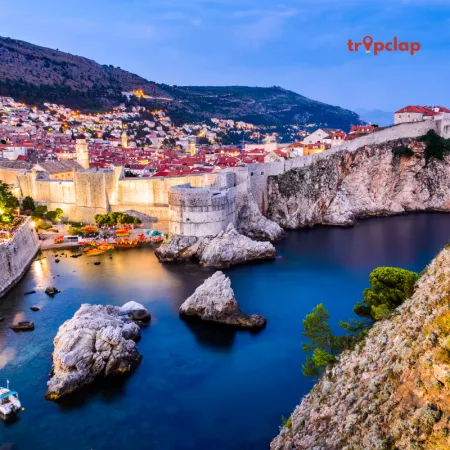
Why Croatia is Trending for Indian Travelers
- Indian passport holders holding valid Schengen visas can enter Croatia under current visa rules, eliminating additional paperwork and simplifying group visa processing for travel agents.
- Seven international airports including Zagreb, Split and Dubrovnik enable efficient multi-city itineraries across top regions like Dalmatian Coast and Istria without excessive ground transit.
- Dubrovnik and Split anchor the Dalmatian Coast as primary filming locations for major productions, generating sustained demand from Indian FIT and group segments seeking Mediterranean culture.
- Late spring and early autumn shoulder seasons offer pleasant weather with fewer crowds, aligning well with India's summer holiday travel patterns while avoiding July and August peak pricing.
- Hvar and Adriatic islands provide exclusive yachting and villa experiences that appeal to India's luxury outbound market seeking privacy beyond traditional European circuits.
Croatia at a Glance
| Capital | Zagreb |
| Currency | Euro (EUR) |
| Best Time to Visit | Late spring (April to June) and early autumn (September to October) for pleasant weather and fewer crowds; July and August are peak season on the coast. |
| International Airports | Franjo Tuđman Airport Zagreb (ZAG), Split Airport (SPU), Dubrovnik Airport (DBV), Zadar Airport (ZAD), Rijeka Airport (RJK), Pula Airport (PUY), Osijek Airport (OSI). |
| Visa for Indians | Indian passport holders generally need a visa to enter Croatia; if holding a valid Schengen visa or residence permit, they may be able to enter under Croatia's visa rules. Confirm the latest entry rules before booking. |
| Top Regions | Dubrovnik, Split, Dalmatian Coast, Istria (including Rovinj and Poreč), Zagreb, Zadar, Plitvice Lakes region, Hvar and other Adriatic islands. |
How to Choose the Right DMC in Croatia
- Verify Croatian National Tourist Board licensing and local operational registration to ensure supplier legitimacy and financial protection for client deposits.
- Assess island-hopping logistics capabilities, particularly for Hvar and Dalmatian islands, where ferry schedules and private boat transfers require precise coordination during shoulder season.
- Request sample itineraries covering both coastal hubs (Dubrovnik/Split) and inland regions (Zagreb/Plitvice Lakes) to evaluate geographic coverage and guide specialisation.
- Confirm 24/7 emergency support infrastructure and access to Hindi or Gujarati-speaking guides for Indian group requirements, particularly for wedding and pilgrimage segments.
- Review peak season inventory access for Adriatic waterfront hotels from July to August, as coastal capacity constraints demand established DMC relationships with preferred property contracts.
Frequently Asked Questions
Do Indian nationals need a separate Croatia visa or does Schengen visa work? Indian passport holders generally need a visa to enter Croatia; however, those holding a valid Schengen visa or residence permit may be able to enter under Croatia's visa rules. Travel agents should verify current guidance with the Embassy of the Republic of Croatia in India before confirming bookings, as entry regulations may update periodically.
Which Croatian DMCs specialise in large Indian wedding groups? Established DMCs with dedicated MICE departments manage large Indian wedding groups by securing venue exclusivity at Sponza Palace or Fort Lovrijenac in Dubrovnik and coordinating multi-day baraat logistics across pedestrianised Old Town areas. They handle guest management for 200-plus attendees requiring simultaneous check-ins across multiple heritage properties.
What is the best flight routing for a Croatia tour covering Split and Zagreb from India? The most efficient routing flies into Franjo Tuđman Airport Zagreb (ZAG) for inland exploration of the capital and Plitvice Lakes, then continues to Split Airport (SPU) for the Dalmatian Coast, or operates in reverse. This avoids backtracking and utilises either domestic flights or scenic drives along the A1 motorway.
How far in advance should travel agents book Plitvice Lakes hotels? For July and August peak season travel, book Plitvice Lakes region accommodations at least six months in advance, as limited inventory near the national park fills rapidly with European holidaymakers and inbound group series. Shoulder season bookings require three to four months lead time for preferred lodges.
Do Croatian DMCs arrange vegetarian and Jain meals for Indian groups? Reputable Croatian DMCs pre-arrange vegetarian and Jain meals with coastal and inland restaurants, though specific preparation standards vary by property. Always confirm kitchen protocols, separate cooking surfaces and ingredient sourcing during the proposal stage to ensure compliance with dietary requirements for religious or cultural groups.

Help & Support
Call Us Now
+91-8287776858

Top DMC of Croatia
- Travel Croatia DMC
- DT Croatia
- DMC CROATIA - Unique World Global destination
- Unlimited Croatia Destination experts
- 360⁰ incentives & MoRe
1. Travel Croatia DMC
4. gardijske brigade 5
21 204 Dugopolje
Croatia
Phone number: +385 21 545 104
info@travel-croatia.eu
 View Gallery - 5
 2. DT Croatia
20 000 Dubrovnik, Croatia
Tel.: +385 20 313 555
 View Gallery - 5
 3. DMC CROATIA - Unique World Global destination
Mate Vlašića 20
POREČ
52440
 View Gallery - 5
 4. Unlimited Croatia Destination experts
10000 Zagreb, Croatia
info@unlimitedcroatia.com
 View Gallery - 5
 Also Read:

Debalina Deb Roy
 October
 November
 December
 January
 February
 March
March April
April May
May June
June July
July August
 September