Hi User
Navigation
Top Destination Management Companies (DMCs) of Korea
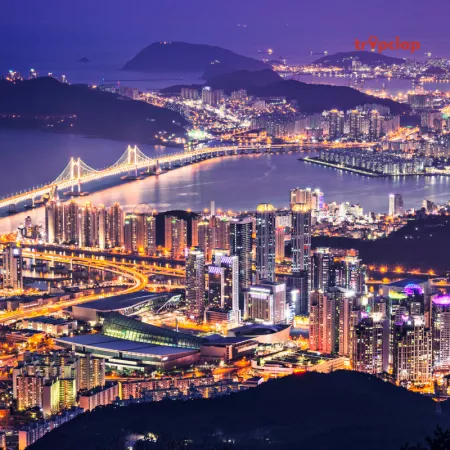
Destination Management Companies (DMCs) of Korea play a crucial role in helping visitors explore and enjoy Korea. These companies offer expert guidance and services, making it easy to discover the best attractions and hidden gems.
Why South Korea is Trending for Indian Travelers
- K-culture phenomenon: The sustained global rise of K-pop, K-dramas, and Korean cinema has created strong demand from Indian millennials and Gen Z travelers seeking filming locations, concert tours, and cultural immersion.
- Direct connectivity expansion: Increased flight frequencies from Delhi, Mumbai, and Bengaluru to Seoul and Busan have reduced transit times and made short-break itineraries viable.
- Medical and wellness tourism: South Korea's advanced dermatology, cosmetic procedures, and traditional hanbang wellness programs attract high-spending Indian medical tourists seeking quality care at competitive rates.
- Year-round appeal: Distinct seasonal experiences—cherry blossoms, summer beach resorts, autumn foliage, and winter skiing in Gangwon-do—allow agents to sell repeat visits.
- Improved Indian visitor infrastructure: Rising numbers of halal-certified restaurants, Hindi-speaking guides, and tailored shopping experiences in Myeongdong and Dongdaemun have reduced friction for Indian group travel.
South Korea at a Glance
| Capital | Seoul |
| Currency | South Korean won (KRW) |
| Best Time to Visit | Spring (April–May) and autumn (September–November) are generally the most pleasant times to visit because of mild weather and seasonal scenery. |
| International Airports | Main international airports include Incheon International Airport (Seoul/Incheon), Gimpo International Airport (Seoul), Gimhae International Airport (Busan), Jeju International Airport (Jeju), and Daegu International Airport (Daegu). |
| Visa for Indians | Visa required for Indian passport holders; verify the current entry rule before travel because South Korea's visa policy can change and may depend on the purpose and duration of stay. |
| Top Regions | Seoul; Busan; Jeju Island; Gyeongju; Incheon; and the ski/mountain regions of Gangwon-do. |
How to Choose the Right DMC in South Korea
- Verify MICE and group handling capacity: South Korea DMCs vary significantly in corporate event infrastructure. Request case studies of Indian incentive groups they've managed, including delegate sizes and venue types.
- Assess regional specialization: Some DMCs excel in Seoul-Busan circuits while others dominate Jeju Island or Gangwon-do ski packages. Match their geographic strength to your target itinerary.
- Confirm multilingual guide availability: English-speaking guides are standard, but check for Hindi or Tamil-speaking staff if your clientele requires it. Ask specifically about guide certification (Korean Tourism Organization licensed).
- Evaluate technology and reporting: Leading South Korea DMCs provide real-time group tracking apps, instant itinerary adjustments, and detailed post-tour analytics—critical for agent accountability.
- Check payment terms and financial stability: Korean DMCs often operate on specific deposit schedules. Request trade references from other Indian agents and clarify cancellation policies, especially for cherry blossom and autumn peak seasons.
Frequently Asked Questions
Which DMC in South Korea is best for MICE and corporate incentives?
DMC selection for MICE depends on group size and objectives. Seoul-based operators with dedicated convention teams typically handle large-scale corporate events, while regional specialists manage incentive travel combining business with Jeju or Gangwon-do leisure extensions.
How far in advance should I book a South Korea DMC for peak seasons?
Spring (April–May) and autumn (September–November) require 4–6 months advance booking for group accommodations and guide availability. Cherry blossom periods and October foliage weeks see particular compression in Seoul and Gyeongju.
Can South Korea DMCs arrange halal-certified dining for Indian Muslim groups?
Established DMCs maintain relationships with Korea Tourism Organization-certified halal restaurants in Seoul, Busan, and Jeju. Request specific halal meal planning at quotation stage, as options narrow outside major cities.
What is the typical commission structure when working with South Korea DMCs?
Commission models vary: net rates with markup flexibility, fixed percentage (typically 10–15% on FIT, 8–12% on groups), or service fees for complex itineraries. Negotiate terms explicitly before client quotation and confirm what is included (guides, transfers, entrance fees).
Do South Korea DMCs handle visa assistance for Indian passport holders?
Most DMCs provide invitation letters and documentation support for group visa applications, though final processing occurs through Korean consulates in India. Clarify visa service scope—some include full application management, others provide documents only.

Help & Support
Call Us Now
+91-8287776858

Top DMC of Korea
1. Phoenix Voyages
 View Gallery - 6
 2. Dynasty Korea
DYNASTY HOLIDAYS PVT. LTD.
212-A Crown Height, Sector 10, Rohini Delhi 110085
DYNASTY KOREA CO. LTD #32-23 Bukahyeon-ro Seodaemun-gu, Seoul, South Korea
 View Gallery - 6
 3. Host Global
Hosts Global Headquarters
2065 E. Windmill Lane
STE 154
Las Vegas, NV 89123
 View Gallery - 6
 4. Hanatour ITC
Address:
Hana Tour ITC Co., Ltd.
Address : Room 1, 10th floor, Taehwa Building, 29 Insa-dong 5-gil, Jongno-gu, Seoul
Main number : 023986600
Email : hanaitc_cs@hanatour.com
 View Gallery - 6
 5. Kims’ M&T
379 Jeongsan-ro, Eunpyeong-gu,
Seoul, South Korea, 03448
master@kimstravel.com
 View Gallery - 6
 Also Read

Debalina Deb Roy
 October
 November
 December
 January
 February
 March
March April
April May
May June
June July
July August
 September

![[Travlog] Offbeat Weekend Getaway to Nahan from Delhi! Within 300km Road Trip with Family](https://static.tripclap.com/uploads/story/350X200/1658061800-1658061800-4388e.webp)