Hi User
Navigation
Wild Adventures Await: A Solo Traveler's Guide to Majuli Island 2026
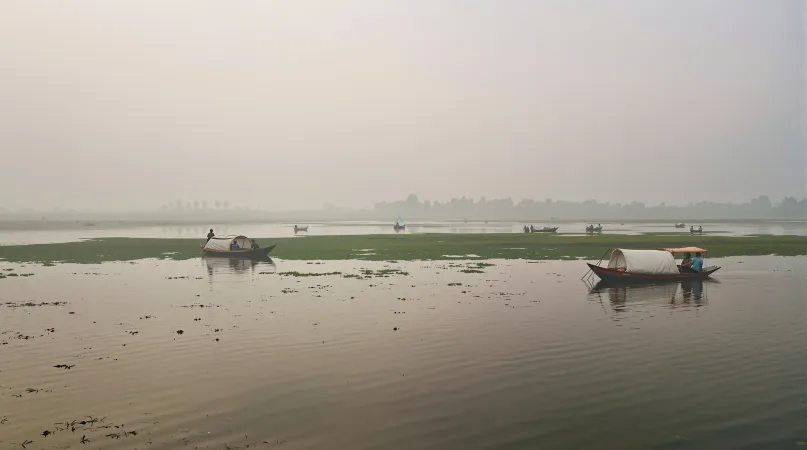
It’s 5 a.m. in Majuli, and the mist wraps you like an uncomfortable but oddly reassuring blanket. You're solo, the river whispers its secrets, and doubt trickles in. Could you have chosen a simpler journey? Sure, but what’s adventure without a hint of the unpredictable?
Majuli Island isn’t your typical postcard destination, not even close. This swath of land in Assam, floating in the Brahmaputra, dares you to step into its raw, untamed embrace. It’s not all serene riverbanks and lush green vistas. Sometimes it’s roads turning to mush, and hotels that forgot what hospitality means. But then, that’s the beauty of Majuli. It's real. (And yes, ATMs are scarce—stash some cash.)
The Pulse of Majuli: Namghar and Cultures
Majuli is synonymous with its satras—monastic centers. The Namghar might not woo you at first glance, but its rustling prayers weave an enchanting vibe as you dig deeper. Dive into this rhythm; let it carry you. Here, culture isn’t a thing on display; it’s everyone’s everyday.
- Reaching Majuli: Your Journey Begins on the Brahmaputra
- Staying on Majuli: From Bamboo Cottages to Homestays
- Eating Like a Local: Flavors of Majuli on Your Plate
- Embracing Culture: Experiencing Majuli’s Satras
- Navigating Nightlife: Quiet Evenings on the Island
- Majuli’s Natural Beauty: Finding Your Zen
- Eco Tours: Sustainability on Majuli Island
- Safety and Solo Travel Tips for Majuli

Help & Support
Call Us Now
+91-8287776858

Reaching Majuli: Your Journey Begins on the Brahmaputra
Getting to Majuli: A Riverborne Adventure
Forget the direct flights and express trains. Majuli demands a detour, a ferry ride across the mighty Brahmaputra. The first leg involves a train or flight to Jorhat, 20 km away. Don’t fret over the muddy commute; instead, let the anticipation build as you switch to a ferry ride from Nimatighat.
By Air and Road
The nearest airport is Rowriah Airport in Jorhat. Flights don’t hover frequently to this dusty strip, so plan accordingly. Either grab a cab (INR 500) or hop onto a local bus to reach Nimatighat. Time it right; buses are sparse in the late hours.
- By Train: Jorhat Town Railway Station is your stop. It pairs well with an early morning ferry.
Check the ferry schedules — the Brahmaputra isn't always in a rush. (And neither should you be.)
 View Gallery - 9
 Staying on Majuli: From Bamboo Cottages to Homestays
Accommodation: More than Just a Roof
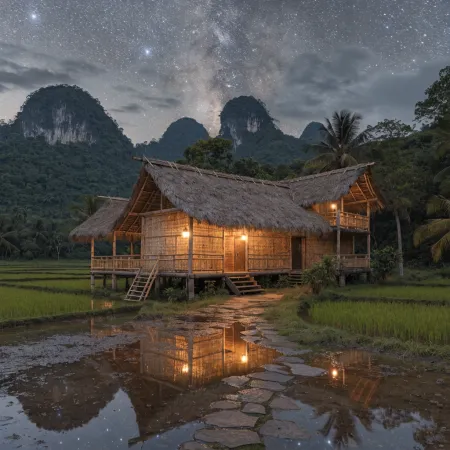
Forget luxury; Majuli offers something better—authenticity. Bamboo huts creak with the midnight breeze, and the homestays feel like slipping into a cozy, slightly musty blanket of Assamese culture.
Popular Spots to Stay
- Deka Chang: If a hideaway with charm is your quest, then this might end up as your favorite nook with its traditional vibes.
- La Maison de Ananda: Run by locals who treat you like their own, every meal feels like a family gathering (INR 800 a night).
Take note: Solo in Majuli means solitude—Wi-Fi’s a wavering dream, but the stars fill that void spectacularly.
 View Gallery - 9
 Eating Like a Local: Flavors of Majuli on Your Plate
Food for the Soul: Assamese Cuisine
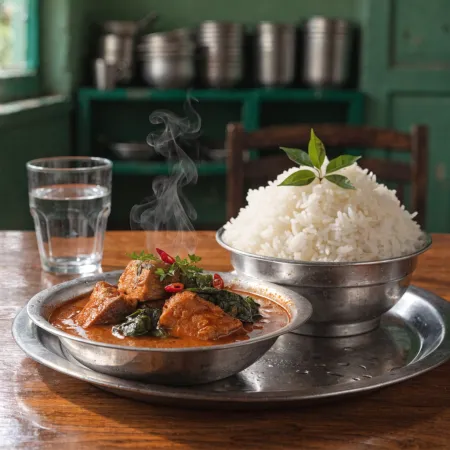
Majuli isn’t a gourmet capital, but it has charm in its flavors. Eat at any local joint and you’ll likely end up with a pile of rice, fish curry, and a generous helping of tangy chutney. These meals are about tradition rather than finesse.
Must-Try Dishes
- Masor Tenga: A signature sour fish curry—it’s not fancy, but it’s authentically Assamese.
- Pitika: Perfectly smoked and mashed potatoes or eggplant, they’re simple yet perfect.
The local eateries often lack menus, but that’s where spontaneity spices up your meal.
 View Gallery - 9
 Embracing Culture: Experiencing Majuli’s Satras
Satras: More than Monasteries
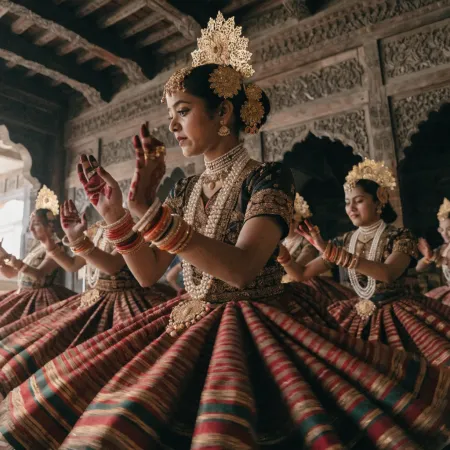
These aren’t your regular prayer hubs. Majuli’s satras are old, living institutions where dance, music, and rituals blend seamlessly into everyday life. At Kamalabari Satra, monks spin tales echoed in vibrant dance forms.
Visit one—and don’t just peek-in. Attend a session and feel the rhythm of Majuli’s spiritual heartbeat. You won’t find fancy facades here, and maybe that’s exactly what makes it special.
 View Gallery - 9
 Navigating Nightlife: Quiet Evenings on the Island
Finding Nightlife: Silence Was Never Louder
Nightlife in Majuli isn’t about bustling bars and pumping music but quiet conversation under a sprawling banyan tree. The lands are dark by early evening, as stars tattoo the sky, unchallenged by city lights.
What to Expect
- Local Gatherings: Join an impromptu gathering by the fire. Friendly faces, laughter, shared folklore—as informal as it gets.
- Star Gazing: Lay back with some mild rice beer (you’ll find it), and watch the constellations gradually surface above.
It may be different, but sometimes, different is exactly what you need.
 View Gallery - 9
 Majuli’s Natural Beauty: Finding Your Zen
Nature’s Bounty: A Twisted Tranquility
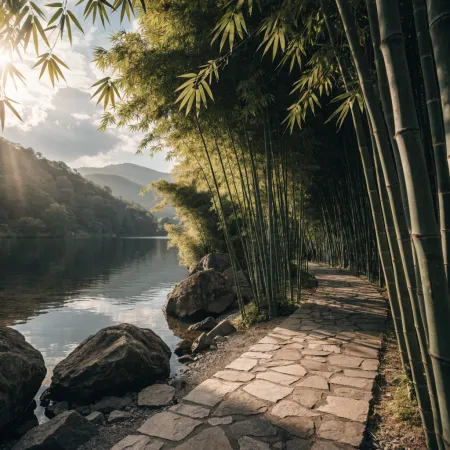
If sprawling forests, melodious chirps, and clear skies define beauty, Majuli might be redefining the term. The winding lanes lined with bamboo clusters and the subtle murmur of paddling, all work in symphony with your soul’s solitude.
Nature Walks and More
- Crafter’s Tale Lake: Join a local guide and explore the serene waterbody, a hidden expanse amidst paddy fields.
- Riverine Paths: Trek besides its edge, the river always in sight, bagging peace instead of selfies.
Look carefully; you feel the tranquility before you see it.
 View Gallery - 9
 Eco Tours: Sustainability on Majuli Island
Sustainability: An Island’s Take
Majuli’s respect for nature is rooted in its culture. Discovering its ecosystem is like flipping through a history book printed on papyrus. The island isn’t exploiting its beauty, but nurturing it.
Get Involved
- Eco-tours: Work alongside the communities to plant saplings or help in preservation activities.
- Local Crafts: Opt to learn weaving or pottery from local artisans.
Being part of conservation here isn’t just educational; it’s transformational.
 View Gallery - 9
 Safety and Solo Travel Tips for Majuli
Staying Safe: Trust, but Double-Check
Majuli feels honest, safer than it looks. But as with all travels, keep your wits sharp and your intuition sharper. People are friendly, but don’t mistaken politeness for promises.
Pro Tips for Solo Travelers
- Phone Access: Mobile signal is dicey. Airtel seems to catch a bar or two randomly.
- Cultural Sensitivity: Always respect local customs; your curiosity should match your respect.
The island welcomes you, but it’s your precautions that’ll make it memorable for the right reasons.
 View Gallery - 9
 September
 October
 November
 December
 January
 February
 March
March April
April May
May June
June July
July August